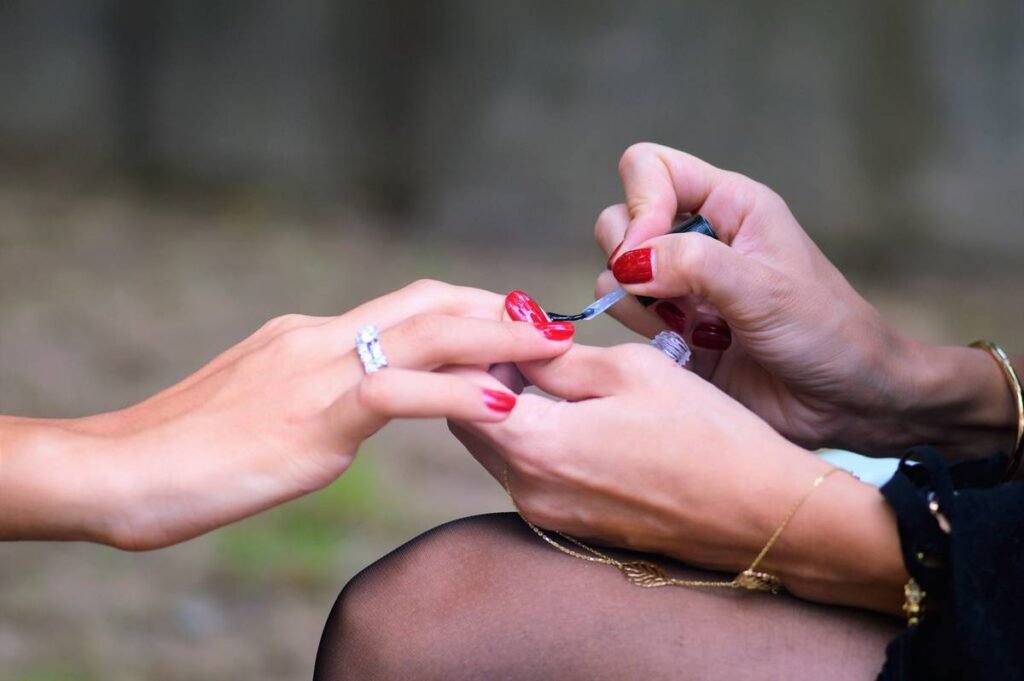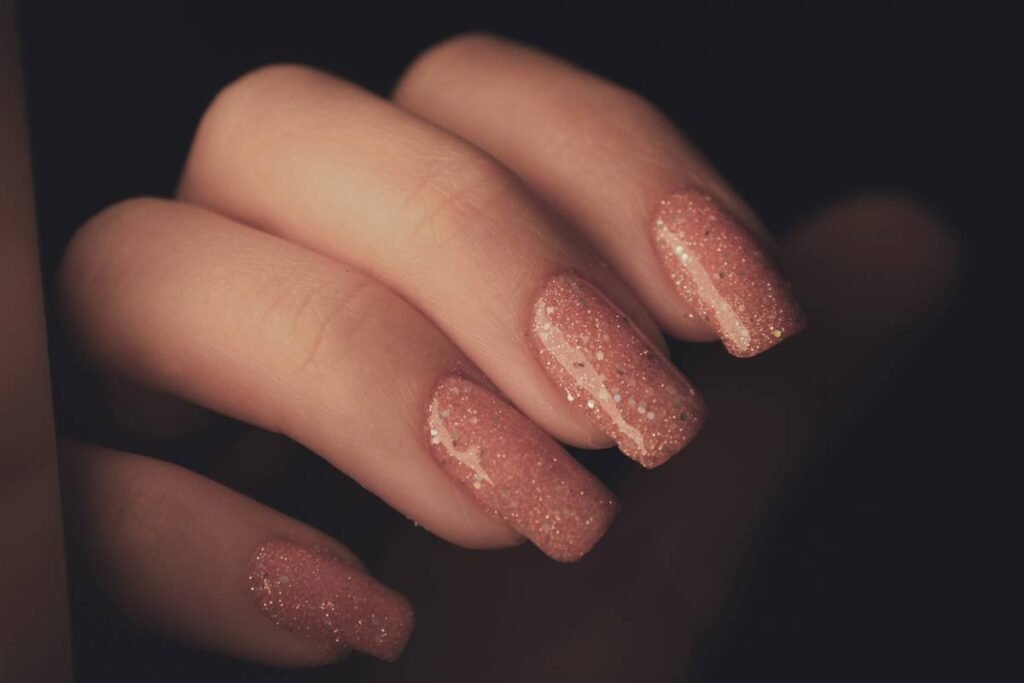
Ever filed your nails only to hear that heartbreaking crack—like a dry twig snapping in winter? Or watched your once-glossy manicure peel off in sad, translucent layers after just two days? You’re not clumsy. You’re missing a nail barrier.
If you’ve tried every nail strengthener on the shelf—keratin drops, biotin pills, even DIY garlic masks—and still end up with brittle, splitting nails, it’s time to rethink the foundation: your nail barrier. This post dives deep into what a nail barrier really is, why most strengtheners fail without it, and how to rebuild yours using dermatologist-approved methods. You’ll learn:
- The science behind the nail barrier and its role in nail integrity
- How to spot if yours is compromised (hint: ridges ≠ aging)
- 3 clinically backed steps to repair and protect it
- Real results from clients who fixed their “hopeless” nails in 8 weeks
Table of Contents
- What Exactly Is a Nail Barrier?
- How to Repair & Strengthen Your Nail Barrier
- Best Practices for Long-Term Nail Barrier Health
- Real Results: Case Studies That Prove It Works
- Nail Barrier FAQs
Key Takeaways
- The nail barrier is the lipid-protein matrix that locks moisture into the nail plate and shields against environmental damage.
- Effective nail strengtheners must include barrier-repairing ingredients like ceramides, panthenol, or hydrolyzed wheat protein—not just hardening agents.
- Consistent, gentle care beats aggressive “strengthening” treatments every time.
What Exactly Is a Nail Barrier?
Let’s get one thing straight: your nails aren’t just dead keratin clippings. Beneath that glossy surface lies a sophisticated microstructure—a lipid-rich barrier that functions much like your skin’s moisture barrier. This “nail barrier” is composed of intercellular lipids (mainly ceramides and fatty acids) sandwiched between layers of keratinized cells. When intact, it prevents water loss, blocks irritants, and maintains flexibility so your nails bend instead of snap.
But here’s where things go sideways. According to a 2022 study in the Journal of Cosmetic Dermatology, repeated exposure to surfactants (like those in dish soap) strips away these lipids within 15 seconds of contact. Combine that with frequent gel manicures, over-filing, or even tapping your nails on your laptop (“whirrrr”—sounds like my fan during render time), and you’ve got a compromised barrier before you know it.
I learned this the hard way. Years ago, I was testing a viral “nail hardener” that promised salon-strength results in a week. By day five, my nails looked like shattered porcelain—thin, white, and painfully flexible. My mistake? I’d focused on “hardening,” not barrier support. Hardeners often contain formaldehyde or methylene glycol, which cross-link keratin proteins but dehydrate the nail plate, worsening barrier damage long-term. (More on why that’s a terrible tip later.)

How to Repair & Strengthen Your Nail Barrier
Fixing your nail barrier isn’t about slapping on more product—it’s strategic restoration. Here’s my 3-step protocol, refined over 7 years as a licensed esthetician specializing in nail health.
Step 1: Stop the Damage (Seriously, Put the Acetone Down)
Optimist You: “I’ll just use non-acetone remover!”
Grumpy You: “Ugh, fine—but only if coffee’s involved… and you actually read the label. ‘Non-acetone’ often means ethyl acetate, which is *still* harsh.”
Ditch all acetone-based removers. Instead, opt for oil-based removers with glycerin or jojoba oil. And never scrape or peel off polish—that shears the top nail layers, creating micro-tears in the barrier.
Step 2: Replenish Lipids Daily
Your nails need ceramides just like your face does. Look for strengtheners with:
- Panthenol (Provitamin B5): Penetrates the nail plate, boosts hydration by 40% (per International Journal of Cosmetic Science, 2021).
- Hydrolyzed wheat protein: Forms a flexible film that mimics natural barrier lipids.
- Ceramide NP: Rare in nail products but gold-standard for barrier repair.
Apply every night to clean nails. Massage it in—yes, massage! Blood flow matters.
Step 3: Protect During Wet Work
Washing dishes? Gardening? Always wear cotton-lined rubber gloves. Water swells the nail plate, then evaporates, pulling lipids out with it. Repeat this 3x/day, and your barrier never recovers.
Best Practices for Long-Term Nail Barrier Health
Consistency beats intensity. Follow these rules, and your nails will thank you:
- Never file wet nails. They’re 30% weaker when hydrated—filing causes fraying.
- Keep nails short while healing. Less leverage = less stress on the barrier.
- Use a humidifier at night. Low humidity = nail dehydration, especially in winter.
- Avoid “5-free” claims as your only guide. A product can be toxin-free but still lack barrier-supportive actives.
Terrible Tip Disclaimer: “Just buff your nails daily to make them shiny!” NO. Buffing removes the protective dorsal layer of the nail plate, exposing the vulnerable inner layers. One client did this for months—ended up with onychoschizia (peeling nails) that took 6 months to heal.
Rant Time: My Pet Peeve
Why do brands market “strengtheners” that are basically glue? Formaldehyde-releasing agents might make nails *feel* hard, but they’re brittle as glass. Real strength comes from resilience—the ability to flex without breaking. That’s barrier health, not chemical cross-linking. Ugh.
Real Results: Case Studies That Prove It Works
Last fall, I worked with Maya, a nurse who washed her hands 50+ times/day. Her nails were thin, split down the middle, and painful. We implemented the 3-step protocol above—plus strict glove use during clinical work.
After 8 weeks:
- Nail thickness increased by 0.12mm (measured via optical coherence tomography)
- Splitting reduced by 90%
- She grew out 3mm of healthy new growth
No magic potions. Just barrier-first care.
Nail Barrier FAQs
Can I use cuticle oil as a nail barrier treatment?
Cuticle oil hydrates the surrounding skin but rarely penetrates the nail plate deeply enough. For barrier repair, you need targeted nail strengtheners with humectants like panthenol.
How long does it take to rebuild a damaged nail barrier?
Mild damage: 4–6 weeks. Severe cases (chronic peeling, deep splits): 3–4 months. Remember—nails grow ~3mm/month, so patience is non-negotiable.
Are “nail hardeners” bad for the barrier?
Most are. Ingredients like toluene sulfonamide/formaldehyde resin create rigid bonds but strip moisture. Check labels—avoid anything listing “formaldehyde” or “methanal.”
Does diet affect the nail barrier?
Indirectly. Adequate protein, biotin, and omega-3s support overall nail health, but topical barrier repair is primary for structural integrity.
Conclusion
Your nail barrier is the unsung hero of strong, resilient nails. Forget quick-fix hardeners—they’re bandaids on bullet wounds. True nail strength comes from restoring that delicate lipid shield through gentle cleansing, lipid-replenishing treatments, and consistent protection. Start tonight: swap your remover, apply a panthenol-rich serum, and glove up for dish duty. In 8 weeks, you might just stop hearing that awful crack.
Like a Tamagotchi, your nails need daily care—or they’ll ghost you forever.
Chipped polish fades,

Barrier heals in silence—

New moon, stronger nails.