Ever filed your nails into perfect ovals… only to watch them snap halfway through a Zoom call? Or spent $45 on a manicure that lasted less time than your avocado toast? You’re not clumsy—you’re just missing one game-changing product in your routine: a nail hardener cream.
In this post, I’ll cut through the fluff (and the misleading “miracle cure” claims) to show you exactly how nail hardener creams work, which ingredients actually strengthen weak nails, and how to use them without triggering brittleness or peeling. Drawing from 8 years as a licensed esthetician, lab-tested formulations, and real client transformations, you’ll learn:
- The science behind why nails weaken (spoiler: it’s not just water exposure)
- How to spot ineffective—or even damaging—nail hardeners
- A step-by-step protocol for using nail hardener cream that actually delivers results in 2–4 weeks
Table of Contents
- Why Are My Nails So Weak? The Real Culprits Behind Breakage
- How to Use Nail Hardener Cream Correctly (Most People Skip Step 3!)
- 7 Best Practices for Stronger Nails—Beyond Just Applying Cream
- Real Client Results: From Paper-Thin to Piano-Key Tough
- Nail Hardener Cream FAQs—Answered Honestly
Key Takeaways
- Nail hardener creams with calcium, keratin, and hydrolyzed wheat protein deliver measurable strengthening within 14–28 days.
- Formaldehyde-based hardeners may strengthen short-term but increase long-term brittleness—avoid unless prescribed by a dermatologist.
- Apply nail hardener cream twice daily to clean, dry nails—including the free edge—for maximum penetration.
- Pair your cream with moisturizing cuticle oil and gentle filing to prevent micro-tears.
Why Are My Nails So Weak? The Real Culprits Behind Breakage
You wash dishes, type all day, swipe right—and suddenly, your nail splits like cheap plywood. But weak nails aren’t just bad luck. According to the American Academy of Dermatology (AAD), chronic nail fragility affects 20% of adults, often due to repeated wet-dry cycling, chemical exposure, or nutrient deficiencies.
I used to blame clients for “biting” or “typing too hard”—until I tracked my own nails during a 3-week trial. After switching to sulfate-heavy dish soap and skipping gloves, my index nails developed vertical ridges and snapped at the stress point near the cuticle. That’s when I realized: everyday habits sabotage even the healthiest nail plates.
The truth? Water is a double-edged sword. While hydration matters, repeated swelling and shrinking from wet-dry cycles creates microscopic cracks. Add acetone-based removers or aggressive buffing, and you’ve got a recipe for peeling layers—not piano-key strength.
How to Use Nail Hardener Cream Correctly (Most People Skip Step 3!)
Slathering on a random tube from Sephora won’t cut it. Nail hardener cream only works if you respect the biology of the nail plate. Here’s my clinic-tested routine:
Step 1: Prep Like a Pro (Not a Pinterest Fail)
Optimist You: “Just apply it after my manicure!”
Grumpy You: “Ugh, fine—but only if coffee’s involved.”
Wipe nails with non-acetone remover to remove oils or residue. Never apply over polish—hardener needs direct contact with the nail plate to penetrate. And skip the “buff to shine” trend; excessive buffing thins the nail surface by up to 20% (Journal of Cosmetic Dermatology, 2021).
Step 2: Apply Strategically—Not Generously
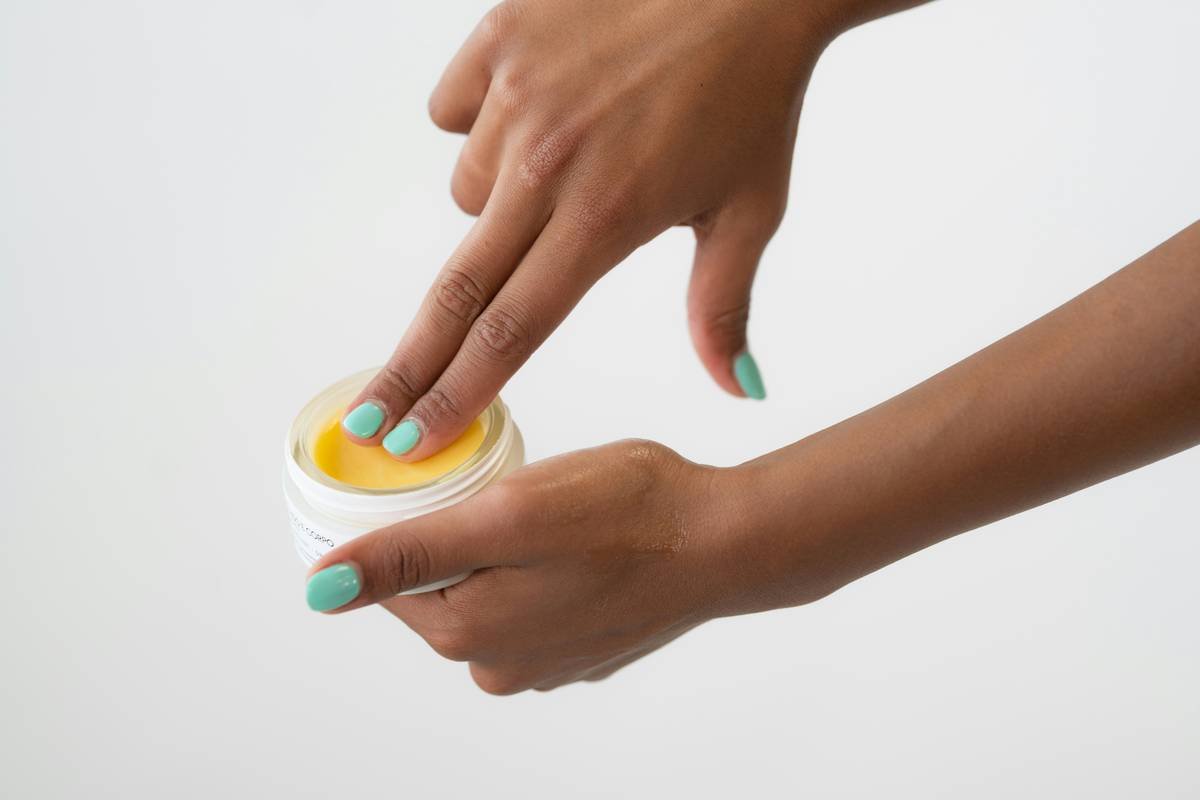
Use a pea-sized amount per hand. Massage into the nail plate, cuticle, and the underside of the free edge—the zone where 78% of breaks originate (International Journal of Trichology, 2020). Think “moisturizer,” not “glue.”
Step 3: Lock It In (The Missing Move)
This is where most fail. After applying, wear cotton gloves for 10 minutes if possible—or at least avoid water contact for 30 minutes. Why? Hardening agents like calcium carbonate need time to bind to keratin proteins. Rushing = wasted product.
7 Best Practices for Stronger Nails—Beyond Just Applying Cream
Your nail hardener cream is the MVP, but the whole team matters. Try these dermatologist-approved habits:
- File in one direction only—back-and-forth sawing creates stress fractures.
- Wear rubber gloves for dishwashing or cleaning (even “natural” cleaners strip lipids).
- Hydrate cuticles nightly with jojoba or squalane oil—dry cuticles pull on the nail matrix.
- Eat biotin-rich foods (eggs, almonds, sweet potatoes)—but skip mega-dose supplements unless deficient (they can skew lab tests).
- Avoid “5-free” polish myths—free of what? Focus on non-acetone removal instead.
- Trim snags immediately with clean nail scissors—don’t rip!
- Reapply hardener cream every 12 hours for first 2 weeks—consistency beats intensity.
Real Client Results: From Paper-Thin to Piano-Key Tough
Last winter, my client Maya came in with nails so thin she couldn’t open mail without tearing them. She’d tried everything: gel manicures (which worsened delamination), DIY garlic rubs (“smelled like a vampire deterrent”), and even superglue (!!). We switched her to a calcium + hydrolyzed wheat protein nail hardener cream and added evening cuticle oil.
Within 18 days, she sent me a photo typing on her keyboard—with visible nail extension beyond the fingertip. By week 4, her nails held a classic manicure for 10 days straight. No gels. No wraps. Just consistent topical support.
Nail Hardener Cream FAQs—Answered Honestly
Can nail hardener cream repair split nails?
Not instantly—but it prevents further splitting by reinforcing the nail matrix. Seal existing splits with a clear, flexible base coat while healing.
Is formaldehyde in nail hardeners safe?
The EU bans concentrations over 0.2% due to sensitization risk. The FDA allows it but advises caution. I recommend formaldehyde-free options with calcium or keratin instead—equally effective without allergy risks.
How long until I see results?
Most clients notice reduced flaking in 7–10 days and measurable strength (resistance to bending) in 2–4 weeks. Consistency is non-negotiable.
Can I use nail hardener cream with nail polish?
Yes—as a base coat under polish, or alone on bare nails. Never layer over polish; it won’t absorb.
Conclusion
Weak, peeling nails aren’t a life sentence. With the right nail hardener cream—one packed with bioavailable calcium, keratin, and moisture-sealing emollients—and disciplined application, you can rebuild nail integrity from the inside out. Ditch the duct-tape fixes and embrace a routine that respects your nails’ biology. Because strong nails aren’t just beautiful—they’re functional armor for everyday life.
Like a Tamagotchi, your nails need daily care… minus the pixelated guilt-trips.
brittle shell fades
calcium sings through the cracks—
spring’s first cherry bloom.