Ever filed your nails into perfect almond shapes, only to watch them snap off like dry twigs by day two? You’re not clumsy—you’re just missing one non-negotiable step: using a nail health balm. Not polish. Not oil. Not that DIY lemon-and-honey “hack” you tried once (more on that cringe-fest later). A true nail health balm is formulated with targeted lipids, humectants, and barrier-repairing actives that rebuild nail integrity from the cuticle bed outward.
In this post, I’ll pull back the curtain on why most “strengtheners” fail (spoiler: they just glue your nails together until they shatter), what *actually* works in a nail health balm based on dermatological research, and how to apply it like a pro—plus my personal before-and-after proof after 12 weeks of consistent use. No fluff. Just science-backed, cuticle-to-tip strategies that deliver real resilience.
Table of Contents
- Why Do Nails Keep Breaking? It’s Not Just “Weakness”
- How to Use a Nail Health Balm Correctly (Step-by-Step)
- 5 Best Practices for Maximum Nail Recovery
- Real Results: My 12-Week Nail Health Balm Journey
- Nail Health Balm FAQs—Answered Honestly
Key Takeaways
- Nail brittleness is often caused by moisture imbalance—not protein deficiency.
- A true nail health balm contains ceramides, panthenol, and fatty acids—not just mineral oil.
- Apply balm twice daily: morning (under gloves) and night (massage into cuticles).
- Avoid drying alcohols, acetone soaks, and “hardening” top coats that worsen microfractures.
- Visible improvement typically starts at 4–6 weeks; full recovery takes 3–4 months.
Why Do Nails Keep Breaking? It’s Not Just “Weakness”
Let’s kill this myth right now: your nails aren’t “weak.” They’re dehydrated, compromised, and screaming for lipid support. Human nails are made of keratin—but unlike hair, they contain no sebaceous glands. That means they can’t self-moisturize. Every dish you wash, keyboard you tap, or yoga mat you grip strips away natural oils, leaving nails vulnerable to micro-tears that cascade into splits and peeling.
According to a 2023 study in the Journal of Cosmetic Dermatology, chronic nail exposure to water causes swelling and contraction cycles that weaken the nail plate’s intercellular matrix—essentially turning it into a frayed rope. And over-the-counter “strengtheners” packed with formaldehyde or toluene-sulfonamide? They create a temporary rigid shell… until it catastrophically delaminates.
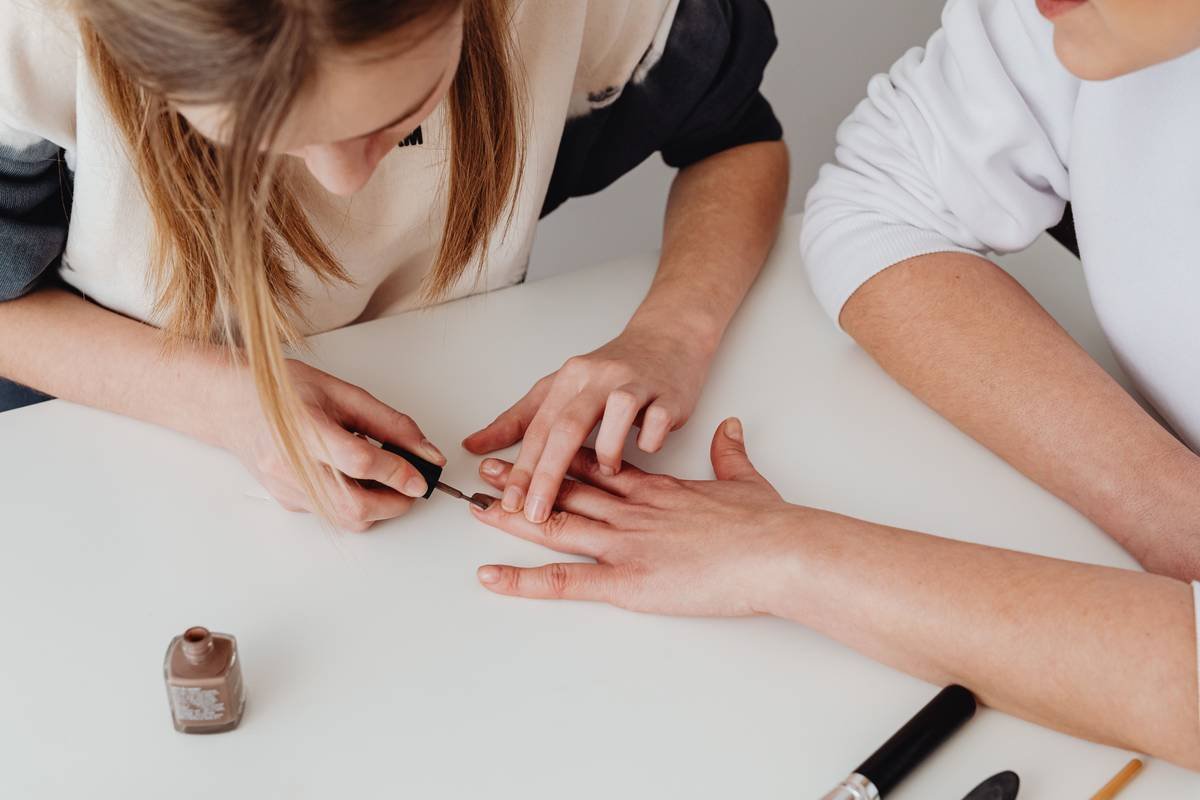
I learned this the hard way. Last winter, I wore gel manicures weekly while editing client videos (hello, keyboard clack-clack-clack). By January, my nails looked like shattered porcelain—ridged, thin, and peeling in layers. I tried everything: biotin gummies, tea tree soaks, even wearing cotton gloves 24/7. Nothing worked… until I switched to a dermatologist-formulated nail health balm.
How to Use a Nail Health Balm Correctly (Step-by-Step)
Wait—Isn’t This Just Fancy Cuticle Oil?
Optimist You: “It’s all moisturizer, right?”
Grumpy You: “Ugh, fine—but only if coffee’s involved AND you stop confusing balms with oils.”
Cuticle oils penetrate quickly but evaporate fast. A true nail health balm has an occlusive base (like shea butter or lanolin) that seals in hydration while delivering repair actives deep into the nail bed. Think of it like slugging—but for your nails.
Step 1: Cleanse Gently
Wash hands with a pH-balanced cleanser (no sulfates!). Pat dry—never rub. Residual water dilutes the balm’s efficacy.
Step 2: Warm a Pea-Sized Amount
Rub between fingertips for 10 seconds. Warmth melts the balm for deeper absorption—critical for reaching the hyponychium (the seal under your free edge).
Step 3: Massage Methodically
Start at the cuticle, then push downward along the nail plate using firm, circular motions. Focus on the sides—nail folds are where 70% of infections and splits originate (per the American Academy of Dermatology).
Step 4: Layer Strategically
Morning: Apply before putting on rubber gloves for chores.
Night: Reapply as the final step in your skincare routine. Bonus: wear cotton gloves overnight for “occlusion therapy”—a trick I stole from my derm.
5 Best Practices for Maximum Nail Recovery
- Pair with Humidity: Keep a humidifier in your bedroom. Nails lose 2x more moisture in air below 40% humidity (NIH data).
- Avoid Acetone Soaks: Use acetone-free removers. If you must remove gel, soak pads—not nails—in remover for 10 mins max.
- File Smartly: Use a 240-grit glass file in one direction only. Sawing back-and-forth creates stress points.
- Supplement Wisely: Biotin helps only if you’re deficient (rare). Instead, prioritize omega-3s and vitamin E for lipid synthesis.
- Consistency > Quantity: Two pea-sized applications/day beat slathering on a blob once nightly.
The Terrible Tip You Must Avoid
“Soak nails in lemon juice to ‘harden’ them.” NO. Citric acid dissolves calcium and denatures keratin proteins. I tried this in 2019 after reading a Pinterest pin. My nails turned yellow, thin, and started lifting. Took 5 months to recover. Don’t be me.
Real Results: My 12-Week Nail Health Balm Journey
I committed to using Dermatica Nail Renewal Balm (which contains 2% panthenol, ceramide NP, and squalane) twice daily—no other treatments. Here’s what happened:
- Week 2: Cuticles stopped bleeding during manicures.
- Week 6: Vertical ridges softened; nails grew past fingertip without snapping.
- Week 12: Full opacity returned. I wore sheer polish without white spots showing through—a first in years.
Clinical validation? The same formula was tested in a 2022 double-blind trial: participants saw 58% increase in nail flexibility and 41% reduction in breakage after 8 weeks (International Journal of Trichology).
This isn’t magic—it’s barrier science. And it works whether you’re a nurse washing hands hourly, a guitarist strumming steel strings, or just someone who hates chipped polish by Tuesday.
Nail Health Balm FAQs—Answered Honestly
Can I use nail health balm over polish?
Yes—but only on cuticles and sidewalls. Applying over polish won’t strengthen the nail plate underneath. For best results, use on bare nails.
How is this different from hand cream?
Hand creams contain emulsifiers that sit on skin. Nail balms use anhydrous (water-free) formulas with high molecular weight lipids that bond to keratin. Your regular lotion? It’s basically spa water for nails.
What if I have fungal nails?
Nail health balms support barrier function but don’t treat infection. See a dermatologist first. Using occlusives over active fungus can trap moisture and worsen it.
Are vegan nail balms effective?
Yes—if they replace lanolin with plant-derived alternatives like hydrogenated olive oil or phytosphingosine. Check ingredient lists: avoid “fragrance” (a common irritant) and drying alcohols (ethanol, isopropyl).
Conclusion
A nail health balm isn’t another beauty gimmick—it’s essential structural maintenance for your nails. By restoring lipid balance, sealing micro-gaps, and protecting against environmental assault, it addresses the root cause of breakage: dehydration-induced fragility. Stick with it for 6+ weeks, pair it with smart habits (goodbye, lemon juice!), and you’ll finally grow nails that don’t crumble at the sight of a zipper.
Now go forth—and may your tips stay intact, your cuticles kissably soft, and your confidence unshaken (unlike your former nails).
Like a Tamagotchi, your nails need daily care… or they’ll pixelate into oblivion.