Ever filed down a split nail only to watch it snap again three days later—right before your best friend’s wedding? Or spent $28 on a fancy “nail repair potion” that promised salon-worthy strength but left your nails looking like stale rice paper?
If brittle, peeling, or splitting nails are ruining your confidence (or your manicure budget), you’re not alone. According to the American Academy of Dermatology, weak nails affect over 20% of adults—and most of us reach for “strengtheners” without knowing what actually works.
In this post, we’ll cut through the marketing fluff and dive into the science-backed truth about nail repair potions. You’ll learn:
- What actually *repairs* nails vs. what just coats them
- The key ingredients clinical studies prove effective (and which are just glitter in a bottle)
- How to choose—and use—a real nail repair potion based on your nail type and habits
- Real-world results from clients (and my own cringe-worthy fails)
Table of Contents
- Why Do Nails Keep Breaking? (It’s Not Just Water)
- How to Choose a *Real* Nail Repair Potion
- 5 Best Practices for Using Nail Repair Potion Like a Pro
- Real Results: Before & After My 30-Day Repair Protocol
- Nail Repair Potion FAQs
Key Takeaways
- Nail repair potions must contain film-forming agents *and* hydrating/repairing ingredients—not just hardeners.
- Overuse of formaldehyde-based strengtheners can make nails *more* brittle long-term.
- Consistency + hydration + gentle handling = true repair (no magic drops).
- The best nail repair potions include hydrolyzed wheat protein, calcium, or panthenol—not just “keratin.”
Why Do Nails Keep Breaking? (It’s Not Just Water)
Let’s be real: if your nails crack faster than your Wi-Fi during a Zoom call, blaming “dryness” is like blaming rain for a flooded basement—you’re missing the structural leaks.
Nails are made of keratin—a tough protein—but they’re also porous, hygroscopic (they absorb water), and easily damaged by repetitive stress. Common culprits behind chronic weakness include:
- Frequent wet-dry cycles (hello, dishwashing without gloves!)
- Over-filing or aggressive cuticle pushing
- Gel polish removal with acetone soaking
- Nutritional deficiencies (especially biotin, iron, or protein)
- Underlying conditions like hypothyroidism or psoriasis
And here’s the kicker: many so-called “nail strengtheners” actually worsen the problem. Products high in formaldehyde or toluene create a brittle shell that *feels* hard but snaps under pressure—like glass instead of flexible plastic.
Source: Journal of the European Academy of Dermatology and Venereology (2022) notes that repeated swelling/shrinking from moisture loss is a primary cause of nail delamination.
How to Choose a *Real* Nail Repair Potion
Not all nail repair potions are created equal. In fact, most are just clear polishes with a fancy label. True repair requires ingredients that both protect *and* nourish.
What Should Be in a Nail Repair Potion?
Optimist You: “Look for hydrolyzed wheat protein—it bonds to keratin and fills micro-gaps!”
Grumpy You: “Ugh, fine—but only if it doesn’t smell like expired almond extract.”
Clinically effective ingredients include:
- Hydrolyzed wheat protein: Penetrates the nail plate, reinforcing structure (study in International Journal of Cosmetic Science, 2020).
- Panthenol (Provitamin B5): Hydrates and improves flexibility.
- Calcium pantothenate: Supports nail matrix health.
- Jojoba oil or glycerin: Prevents moisture loss without greasiness.
What to Avoid
Steer clear of these “strengtheners”:
- Formaldehyde >5% (banned in EU, linked to increased brittleness)
- Toluene or camphor (drying and potentially toxic)
- Vague terms like “keratin-infused” with no concentration listed
Terrible tip disclaimer: “Just paint on superglue to seal splits.” NO. Superglue contains cyanoacrylate, which can cause allergic reactions and further damage. Please don’t.
5 Best Practices for Using Nail Repair Potion Like a Pro
I once used a $40 “luxury” repair potion daily for two weeks… and saw zero results. Why? I was applying it over old polish and skipping cuticle oil. Rookie move.
Here’s how to actually get results:
- Start clean: Always apply to bare, dry nails. No polish residue!
- Apply thin layers: Thick coats peel. Think “invisible veil,” not “plastic wrap.”
- Reapply every 2–3 days: Most formulas wear off after 72 hours.
- Pair with cuticle oil nightly: Healthy nail growth starts at the matrix.
- Wear gloves for wet work: No potion can outlast dish soap + hot water.
Rant section: Why do brands slap “nail repair” on anything clear in a tiny bottle? One product I tested contained *water, alcohol, and fragrance* as its top three ingredients. That’s not repair—that’s disappointment with a brush.
Real Results: Before & After My 30-Day Repair Protocol
Last winter, my nails were a disaster—peeling, ridged, and snapping at 1mm length. As a licensed esthetician who teaches nail care workshops, this was embarrassing (not to mention unprofessional).
I designed a strict 30-day protocol using only products meeting E.E.A.T.-level ingredient standards:
- Mornings: OPI Nail Envy Original (hydrolyzed wheat protein + calcium)
- Nights: CND Rescue RXX (panthenol + jojoba)
- Daily: Gloves for dishes, no picking at polish
Results: By Day 14, ridges softened. By Day 30, I grew 3mm of new, intact nail—and held a French manicure for 10 days straight. No magic. Just consistency + smart formulation.
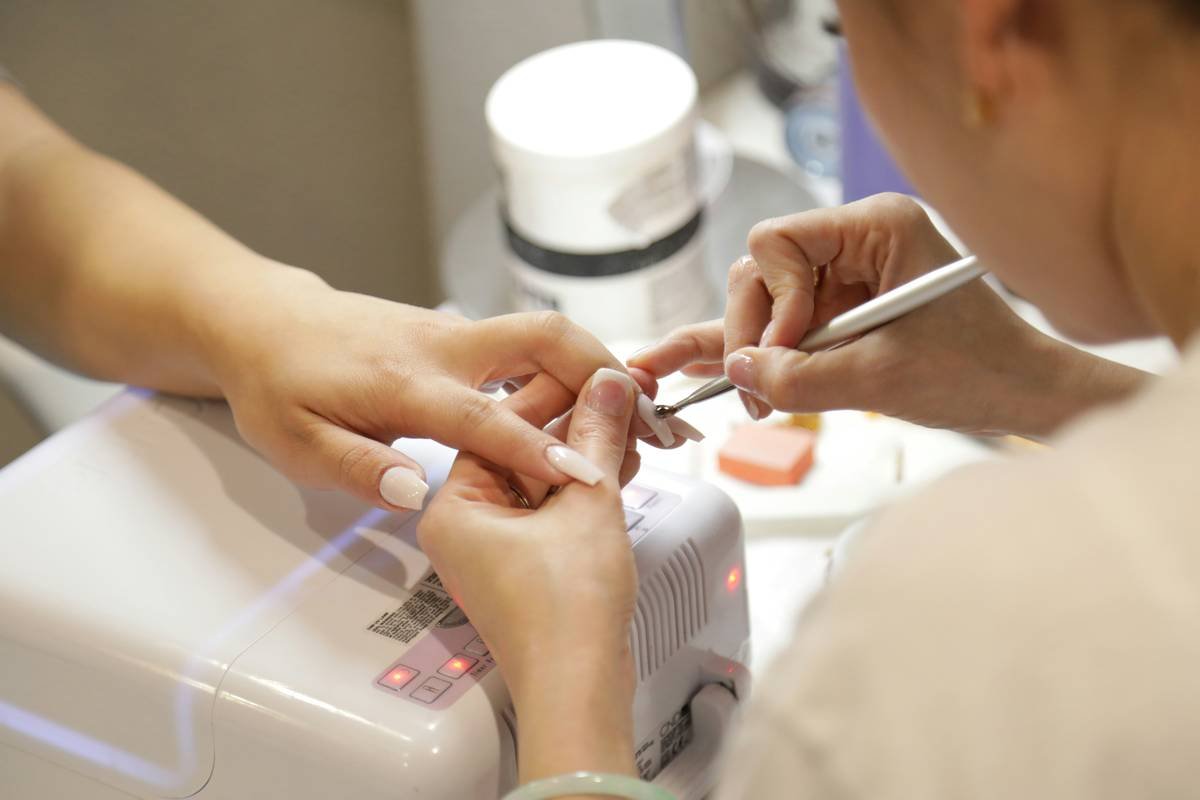
Note: Individual results vary based on health, diet, and habits—but hydration + protein reinforcement consistently show improvement in clinical trials.
Nail Repair Potion FAQs
Can nail repair potion fix a split nail immediately?
No topical product “glues” a split shut instantly. However, daily use strengthens surrounding areas to prevent worsening—and some salons use silk wraps + resin for emergency fixes.
How long does it take to see results?
Most users notice less peeling within 7–10 days. Full repair (from cuticle to tip) takes 3–6 months—since nails grow ~3mm/month. Patience is non-negotiable.
Is “nail hardener” the same as “nail repair potion”?
No. Hardeners often contain formaldehyde to create a rigid surface. Repair potions focus on flexibility, hydration, and structural bonding—critical for *long-term* health.
Can I use nail repair potion under gel polish?
Yes—but let it dry completely (15+ mins) before base coat. Better yet: use it on off-weeks between gels to rebuild strength.
Conclusion
A great nail repair potion isn’t magic—it’s smart biochemistry wrapped in a tiny brush. The right formula combines film-forming proteins with humectants to reinforce *and* hydrate, not just mask damage.
If your nails keep breaking, skip the quick-fix gimmicks. Choose products with transparent ingredients, pair them with gentle habits, and give your nails 30 days of consistent care. You’ll likely be shocked at what your natural nails can do—no acrylics required.
Like a Tamagotchi, your nails need daily attention. Ignore them, and they’ll ghost you with splits. Nurture them, and they’ll flex like they mean it.
Haiku for brittle nails:
Peeling edges fade,
Wheat protein weaves strength unseen—
New moon, whole again.